







MAD SR, s.r.o.
Školská 36
979 01 Rimavská Sobota
Slovakia


25 March 2026
Many companies still see a company vehicle mainly as a practical tool for everyday transportation. Reliability, operation, service, and costs are considered important, while the interior is often treated as secondary. In practice, however, a vehicle does not serve only a transport function, but is also part of how a company presents itself externally.
A company vehicle is often one of the first physical points of contact between a brand and a customer. The client notices not only the logo on the car, but also its overall condition, level of care, and the impression it leaves during a personal meeting. That is why the interior is not just a technical detail, but part of the company’s image, professionalism, and credibility.
A company car as part of the first impression
A first impression is not created only in the office or at a business meeting. It often begins the moment a company vehicle arrives at the client’s location or when a customer sits inside. That is exactly when the interior shows what standards the company maintains and how it approaches detail.
A clean, well-kept, and high-quality-looking interior supports the impression of professionalism, order, and reliability. On the other hand, a neglected or worn vehicle can weaken trust even before communication itself begins. That is why the interior of a company car is an important part of the brand’s overall image.
The interior as a reflection of company culture
The way a company treats its vehicles says a lot about its overall mindset. A well-maintained and presentable interior acts as a sign of order, consistency, and a professional approach. It shows that the company cares about quality even in details that the customer may not consciously notice, but will very quickly associate with the overall standard of the brand.
This applies to sales, service, and management vehicles alike. If the interior looks neglected, it can weaken the impression of reliability. On the other hand, if it looks well-kept and thoughtfully designed, it supports the image of a company that has things under control.
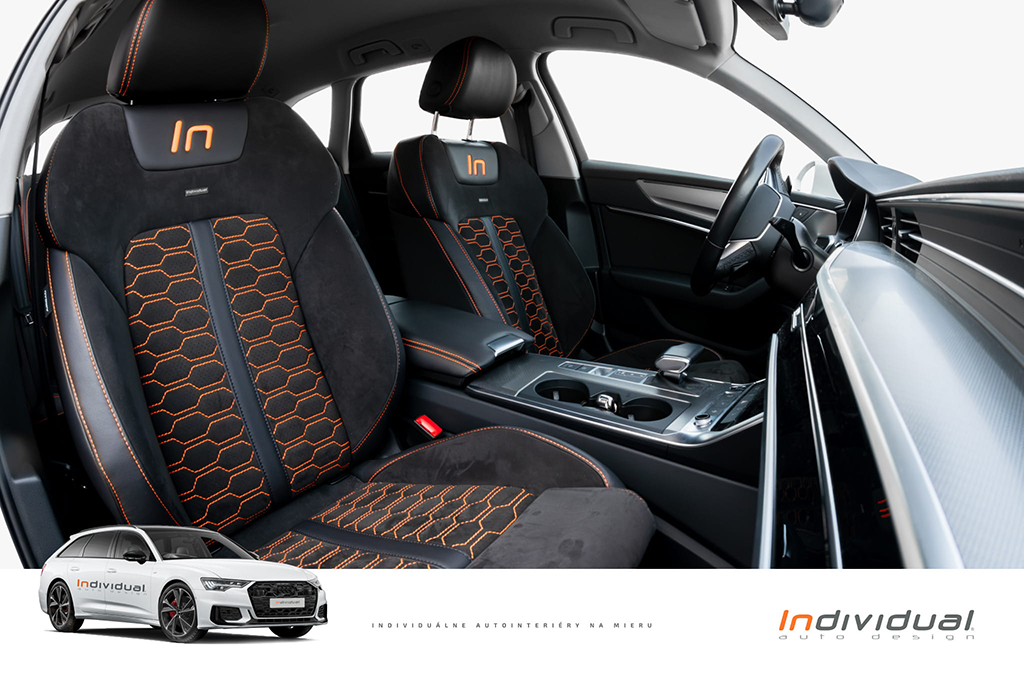
It is not only about appearance, but also about brand consistency
Companies commonly focus on their logo, website, business cards, workwear, or branch visuals. However, a company vehicle is just as important a brand touchpoint. If a company wants to appear consistent and professional, the way its interior looks and feels should reflect that as well.
The interior of a company car is therefore not just a matter of aesthetics. It is part of the overall impression that the brand creates during personal contact. It is exactly the consistency between what a company communicates outwardly and how it appears in reality that strengthens trust and professionalism.
Where it matters most in practice
The importance of a company vehicle’s interior is most visible where the car comes into direct contact with the customer. This applies to sales representatives, service vehicles, showroom cars, and management vehicles. In each of these cases, the vehicle represents not only the employee, but the company itself as well.
That is why it makes sense for the interior to look well-kept, professional, and aligned with the brand’s level. In fleet vehicles, a consistent standard is also important, as it supports a unified company image externally.

Why a neglected interior damages a company’s image
Worn seats, an unmaintained appearance, or cheap-looking solutions can unnecessarily reduce the level of impression a company creates. Customers often connect such details with the company’s overall approach, even if they do not consciously think about it.
In a competitive environment, even small details matter. If a vehicle looks neglected, it can weaken trust and the professionalism of the brand. On the other hand, a well-kept interior supports the impression of order, reliability, and a higher standard.
Representation and practicality do not have to be mutually exclusive
A company vehicle must first and foremost handle daily operation, be durable, and easy to maintain. That does not mean a representative appearance has to be sacrificed. On the contrary, a well-designed interior can combine practical requirements with a professional result.
The goal is therefore not only for the vehicle to look good, but also to function well in real use over the long term. When durability, precise workmanship, and a well-kept appearance come together, the result is a solution that supports both operation and the company’s image at the same time.
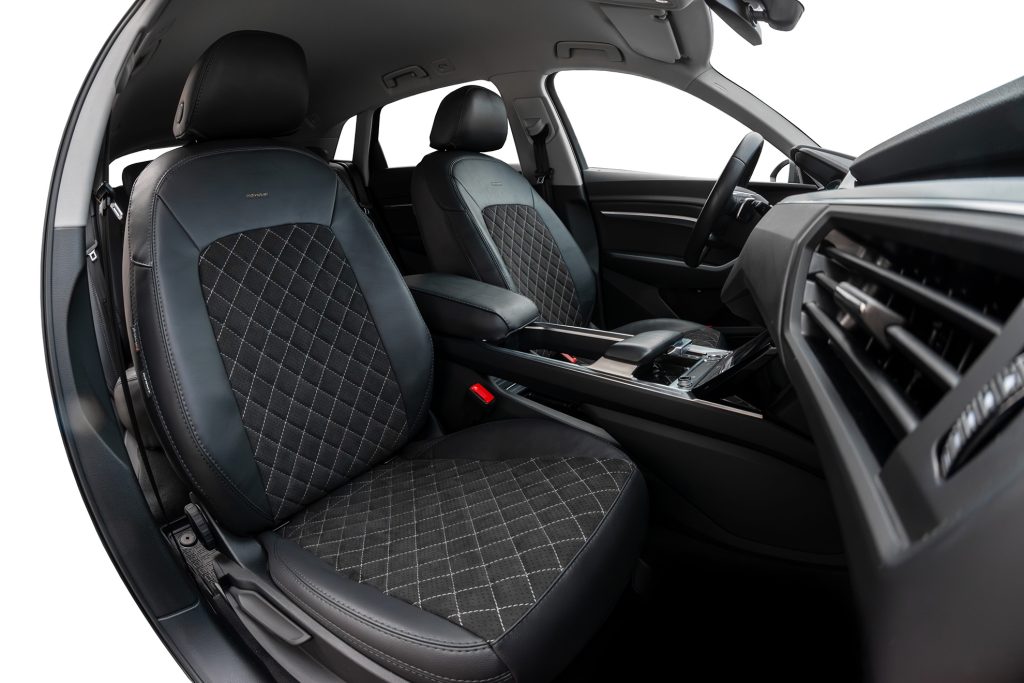
Why it pays to think about the interior preventively
Many companies only start dealing with a vehicle’s interior once it is already significantly worn. However, it is far more effective to think about its protection and standard from the very beginning. This helps preserve the vehicle’s appearance, reduces visible wear, and maintains a higher standard throughout its operation.
A preventive approach makes the most sense especially for vehicles that are used daily. This way, the company does not solve the problem only after it appears, but works with the interior as a natural part of the vehicle’s long-term image and functionality.
A professional result does not happen by accident
When it comes to a company vehicle, it is not only the product itself that matters, but the overall result as a whole. Materials, precision of workmanship, adaptation to the specific vehicle, and proper installation are all important. These factors are what determine whether the interior will look professional, natural, and high-level.
The difference between a temporary and a high-quality solution is therefore not only in appearance, but also in the details that hold the result together. If a company vehicle is meant to represent the brand properly, a professional result cannot be accidental.
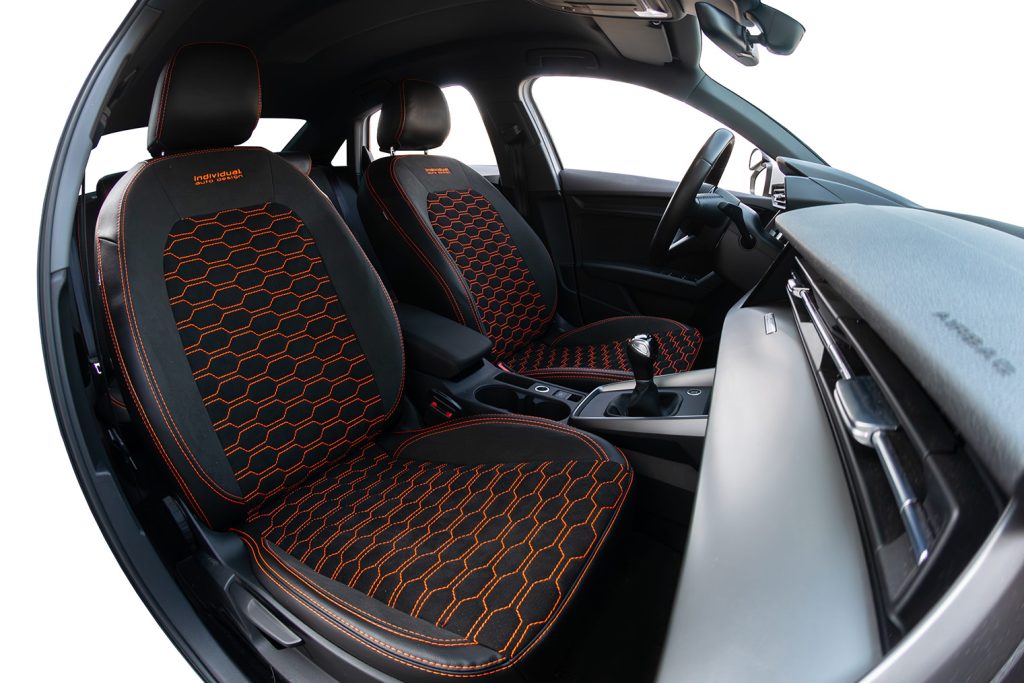
A company vehicle is a mobile business card of the brand.
A company vehicle is not just a working tool, but also part of how a company presents itself externally. The interior often decides what impression it leaves during personal contact with a customer, partner, or client.
That is why the interior should not be seen only as a practical detail. It is part of representation, credibility, and the overall image of the brand. If a company wants to appear professional at every point of contact, the company vehicle should be one of them.
Contacts




 Contact us
1
-
Close
How can we help you? Select your language
- Online Slovenský jazyk
- Online Deutsche Sprache
- Online Magyar nyelv
- Online English language